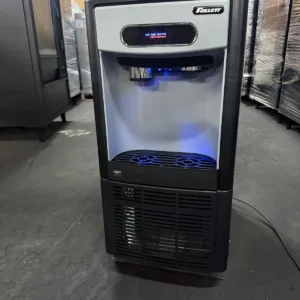
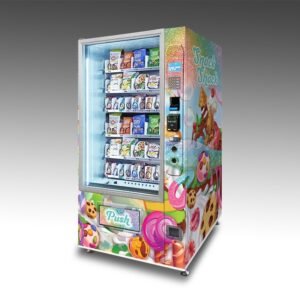
Commercial refrigeration for sale here keeps drinks, food, and stock cold above freezing - not frozen. We list 20 refrigeration units from about $700.
Commercial refrigerators and coolers for restaurants, convenience stores, and food service.
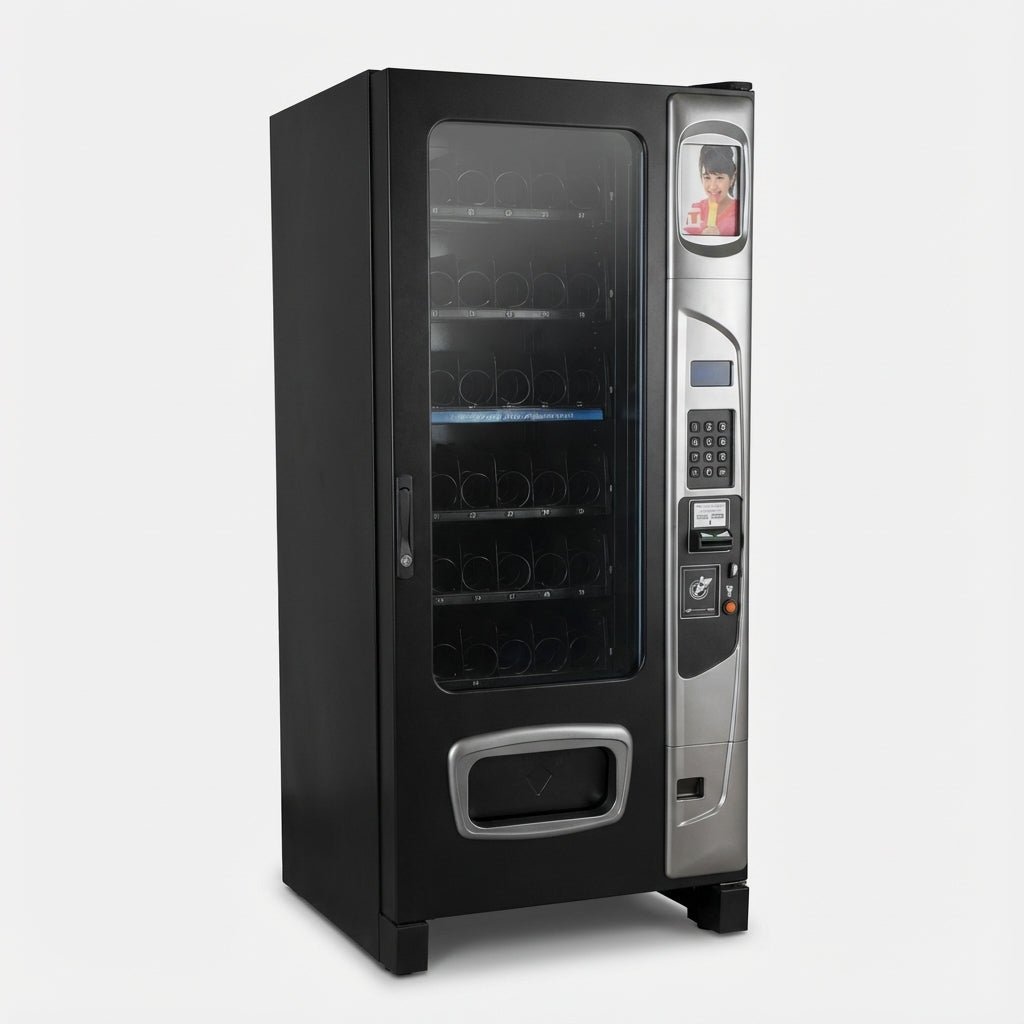
Commercial refrigeration covers the coolers that hold product just above freezing for stores, kitchens, and vending operations. Unlike a freezer, it chills rather than freezes, so drinks and fresh food stay at safe serving temperature.
Buyers usually weigh display value against running cost. Glass doors drive impulse sales but use more energy, while solid-door cabinets hold temperature longer and cost less to run. We help you balance the two for your site, then ship the unit set up and ready to plug in.
| Unit | What it does | Best for |
|---|---|---|
| Glass-door merchandiser | Display cooler that shows and sells cold drinks and grab-and-go. | Stores, break rooms, micro-markets. |
| Back-bar cooler | Low under-counter refrigeration with quick access. | Cafes, bars, service counters. |
| Prep refrigeration | Refrigerated base with a worktop for assembly. | Kitchens and food trailers. |
When you compare units, look past the sticker price to the parts that decide reliability over years of daily use: the compressor brand and warranty, the quality of the door gaskets, and how easily the condenser can be cleaned. A clogged condenser is the most common cause of warm cabinets and early compressor failure, so a front-breathing design you can vacuum without pulling the cabinet out pays for itself. LED lighting and ECM evaporator fans cut energy draw, which matters on equipment that runs every hour of every day. Think about door swing and aisle clearance, and whether you want casters for cleaning behind the cabinet. Our team checks each refurbished unit, replaces worn gaskets and lighting, and ships it tested so it is ready to load and switch on the day it arrives.
Commercial refrigeration keeps product cold and ready to serve, while a commercial freezer holds it frozen for storage or frozen merchandising. Selling cold drinks unattended instead? See our drink vending machines.
Reference: NSF.