Vending is one of the few real businesses you can start part-time, with one machine, and scale at your own pace. There is no storefront, no payroll, and no inventory you cannot sell. The hard parts are choosing the right machine and landing a good location — everything else is routine. Here is exactly how to start a vending machine business, step by step.
| Step | What you do | Typical cost |
|---|---|---|
| 1. Set a budget | Decide how much to invest in your first machine and first fill. | $1,000–$4,000 |
| 2. Pick a machine | Choose snack, drink, combo, or coffee based on the location. | included above |
| 3. Find a location | Secure a high-traffic spot and agree any commission in writing. | $0–20% of sales |
| 4. Stock it | Buy product wholesale and fill the machine. | $200–$600 |
| 5. Service & grow | Restock on a route, track what sells, add machines. | your time |
That is the whole business in five moves. The two that decide your success — the machine and the location — get their own guides below.
A realistic all-in start is under $1,000 for a used machine or around $3,400 for a refurbished combo once you add a first fill of product. Because our machines ship with free nationwide shipping and installation, freight does not eat into your startup budget. For the full breakdown by machine type and condition, see our vending machine cost guide.
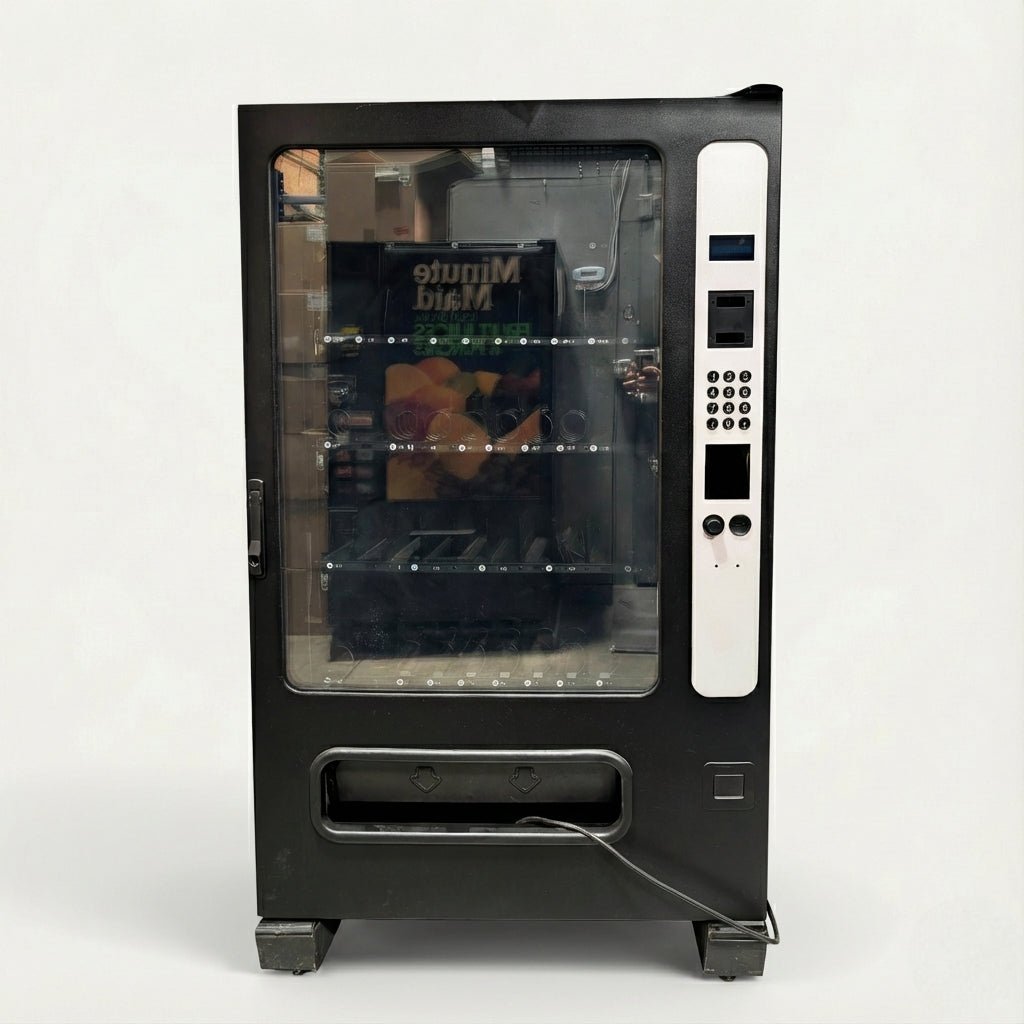
Match the machine to where it will go. A combo machine is the safest first buy because it sells snacks and drinks from one footprint. Offices and lobbies do well with coffee; gyms and schools lean toward drinks and snacks. Buy refurbished to get a tested, reconditioned machine for a fraction of new — and add a card reader, because most customers no longer carry cash.
Location is the single biggest factor in whether your machine makes money. The best spots are high-traffic places with a captive audience — factories, hospitals, gyms, offices, and apartment complexes. Our guide on where to put a vending machine ranks the 10 best location types by profit and explains how to approach owners. If you would rather skip the cold calls, our location service finds and secures a spot for you.
Rules vary by state, but most operators register a simple business entity (often an LLC), get a sales-tax permit so they can collect and remit tax, and check whether their city requires a vending or business license. The U.S. Small Business Administration (SBA) is a good free starting point for entity setup and licensing basics. It is straightforward paperwork — do not let it stop you from starting.
A single well-placed machine typically nets $150–$400 a month in profit after product and commission costs. Stack a handful of machines and the numbers add up to a real second income. See the full math, location by location, in our vending machine profit guide.
Yes, when machines are well placed — a single machine commonly clears $150–$400 a month in profit. The location matters more than the machine itself.
You can start for under $1,000 with a used machine and a first fill, or around $3,400 for a refurbished combo. Shipping and installation are included with us, so there are no hidden freight costs.
Absolutely — most operators start with one or two and scale from profits. One machine is a low-risk way to learn the business before you grow.
Not always, but most operators set up a simple LLC for liability protection and register for a sales-tax permit. Check your state’s requirements via the SBA.
Browse our full catalog of commercial vending machines, shipped free across the U.S. with install included.
Vending is one of the few real businesses you can start part-time, with one machine, and scale at your own pace. There is no storefront, no payroll, and no inventory you cannot sell. The hard parts are choosing the right machine and landing a good location — everything else is routine. Here is exactly how to start a vending machine business, step by step.
| Step | What you do | Typical cost |
|---|---|---|
| 1. Set a budget | Decide how much to invest in your first machine and first fill. | $1,000–$4,000 |
| 2. Pick a machine | Choose snack, drink, combo, or coffee based on the location. | included above |
| 3. Find a location | Secure a high-traffic spot and agree any commission in writing. | $0–20% of sales |
| 4. Stock it | Buy product wholesale and fill the machine. | $200–$600 |
| 5. Service & grow | Restock on a route, track what sells, add machines. | your time |
That is the whole business in five moves. The two that decide your success — the machine and the location — get their own guides below.
A realistic all-in start is under $1,000 for a used machine or around $3,400 for a refurbished combo once you add a first fill of product. Because our machines ship with free nationwide shipping and installation, freight does not eat into your startup budget. For the full breakdown by machine type and condition, see our vending machine cost guide.
Match the machine to where it will go. A combo machine is the safest first buy because it sells snacks and drinks from one footprint. Offices and lobbies do well with coffee; gyms and schools lean toward drinks and snacks. Buy refurbished to get a tested, reconditioned machine for a fraction of new — and add a card reader, because most customers no longer carry cash.
Location is the single biggest factor in whether your machine makes money. The best spots are high-traffic places with a captive audience — factories, hospitals, gyms, offices, and apartment complexes. Our guide on where to put a vending machine ranks the 10 best location types by profit and explains how to approach owners. If you would rather skip the cold calls, our location service finds and secures a spot for you.
Rules vary by state, but most operators register a simple business entity (often an LLC), get a sales-tax permit so they can collect and remit tax, and check whether their city requires a vending or business license. The U.S. Small Business Administration (SBA) is a good free starting point for entity setup and licensing basics. It is straightforward paperwork — do not let it stop you from starting.
A single well-placed machine typically nets $150–$400 a month in profit after product and commission costs. Stack a handful of machines and the numbers add up to a real second income. See the full math, location by location, in our vending machine profit guide.
Yes, when machines are well placed — a single machine commonly clears $150–$400 a month in profit. The location matters more than the machine itself.
You can start for under $1,000 with a used machine and a first fill, or around $3,400 for a refurbished combo. Shipping and installation are included with us, so there are no hidden freight costs.
Absolutely — most operators start with one or two and scale from profits. One machine is a low-risk way to learn the business before you grow.
Not always, but most operators set up a simple LLC for liability protection and register for a sales-tax permit. Check your state’s requirements via the SBA.